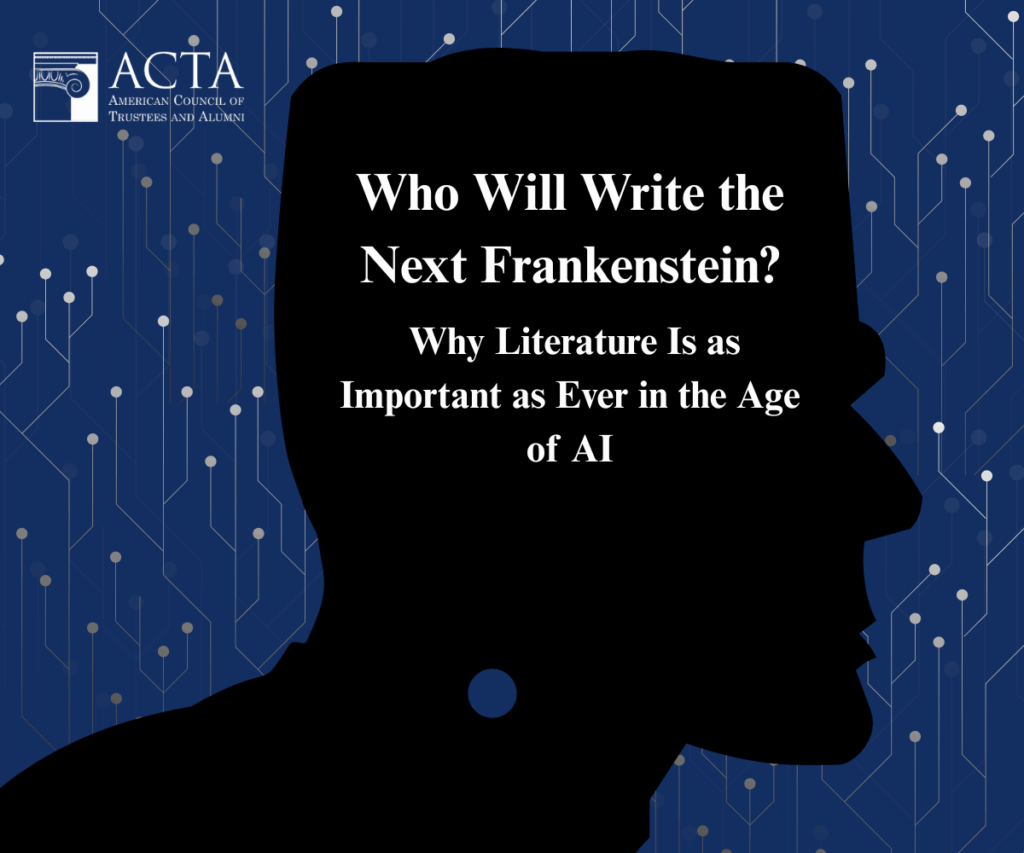
In 1932, T.S. Eliot wrote: “The people which ceases to care for its literary inheritance becomes barbaric; the people which ceases to produce literature ceases to move in thought and sensibility.” If he were still alive in April 2026, the 30th official National Poetry Month, he would certainly be dismayed to find his nation sliding ever closer to the very barbarism he warned against. In the 21st century, poetry, Eliot’s beloved art form, is fading fast from its once-revered place in popular culture. Literary culture as a whole is dying, with falling reading numbers and an even greater decline in the formal study of literature. STEM fields are increasingly being portrayed as more practical than the humanities, which are often painted as frivolous or insubstantial.
As a result, universities are increasingly slashing funding for literature programs and moving away from requiring literary study. Just 22% of universities have a sufficient literature requirement, according to the American Council of Trustees and Alumni’s What Will They Learn?® tracking of general education rigor. This represents a 5.6% decline from 2022. Overall, the American population is reading less literature for pleasure, studying it rarely, and often devaluing its worth in communities.
While portrayed as practical, this shift toward ignoring the humanities can lead to significant consequences. Throughout history, literature has served as the ethical foundation guiding technological progress. Whether it was Sinclair’s The Jungle sparking major reform in meat-packing industries, Shelley’s Frankenstein warning of the dangers of irresponsible scientific progress, or Hardy’s Tess of the D’Urbervilles critiquing destructive industrialization, literature has long played a key role in developing humanity and social consciousness.
Especially in the age of AI, this role of literature is as important as ever. Breakneck developments in fields like AI are increasingly creating new ethical dilemmas and policy issues, generating a need for humanistic thought even in the most STEM-focused fields. We need our Sinclairs, Shelleys, and Hardys as much as ever to build the complex conversations necessary to sustain progress.
Without literature, these conversations remain limited to the few. Historically, literature has been a major force in democratizing complex issues, vividly humanizing the abstract through stories and allowing a vast array of people to understand, critique, and contribute to the national conversation outside of their own field and influence. Examples range from John Steinbeck inspiring migrant labor reform with The Grapes of Wrath despite his lack of political office to Langston Hughes helping to build the civil rights movement with poetry collections like Montage of a Dream Deferred. In these cases and more, literature has allowed those who otherwise wouldn’t have a major influence on policy the
ability to change views, kick-start movements, and criticize dangerous trends. It gives a voice to everyday people, allowing for greater dissent and nuance. Without a population sufficiently educated in the art of reading and writing, voices go overlooked and the thoughts of everyday individuals lose their influence.
Thus, this National Poetry Month should serve as a reminder: Poetry, and literary study as a whole, are as important as ever. Rather than cutting funds, closing programs, and moving away from serious literary study, universities—and indeed, society at large—should be focusing on reengaging with our literary inheritance. Only then can we maintain a society as literate, adaptable, and human as it is scientifically innovative.