
Press Kit
Since 1995, the American Council of Trustees and Alumni (ACTA) has been a clear voice calling for the restoration of academic excellence, academic freedom, and accountability in American higher education. As a national 501(c)(3) nonprofit, we work with trustees, university presidents, faculty, alumni, legislators, students, and other university stakeholders to ensure that the next generation receives an intellectually rich, high-quality education at an affordable price.
Press Contacts
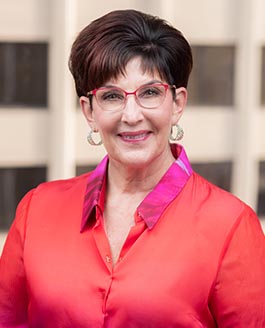
Leslie K. Paige,
Vice President of Communications
lpaige@goacta.org
202.798.5450

Gabrielle Anglin,
Director of Communications
ganglin@goacta.org
202.798.5425
Follow ACTA on Social Media:




ACTA Podcasts
Higher Ed Now
Higher Ed Now is a production of the American Council of Trustees and Alumni that examines the most pressing issues and policy debates shaping American higher education. The podcast features prominent thought leaders from academia and public service, such as Richard Haass, Mitch Daniels, Ayaan Hirsi Ali, Judge Douglas Ginsburg, and Glenn Loury.
Radio Free Campus
Radio Free Campus brings listeners news, interviews, and expert analysis from the front lines of campus freedom reform. Co-hosted by ACTA’s Steve McGuire and Justin Garrison, the show focuses on free expression, intellectual diversity, and civil discourse at America’s colleges and universities. Guests include leading voices on these issues, such as John Tomasi, Samuel Abrams, Jennifer Frey, and John Sailer.
ACTA Thought Leaders
To request an interview with our experts, email media@goacta.org
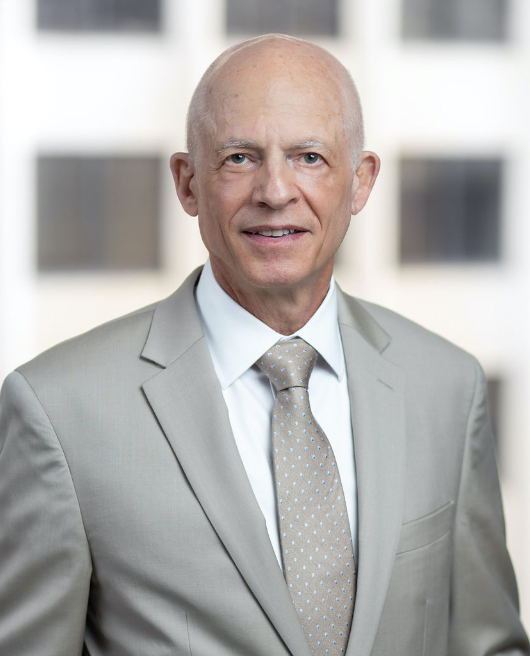
Michael Poliakoff, Ph.D.
President & Chief Executive Officer
Dr. Poliakoff is a nationally recognized leader in higher education and a leading advocate for liberal arts education. His areas of expertise include academic standards, core curriculum reform, intellectual diversity, higher education governance, and the role of colleges and universities in preparing students for informed citizenship. His writing has appeared in outlets including the New York Times, the Washington Post, the Wall Street Journal, Forbes, and National Review. A Rhodes Scholar with degrees from Yale University, University of Oxford, and University of Michigan, he has taught at institutions including Georgetown University, Wellesley College, and Hillsdale College, where he founded the classics department.
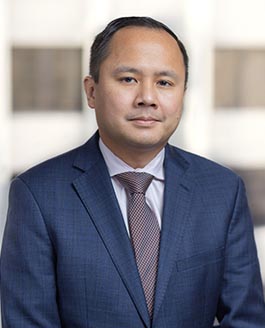
Armand Alacbay, J.D.
Chief of Staff & Senior Vice President of Strategy
Mr. Alacbay is a higher education policy expert whose work helps trustees and state policymakers strengthen academic quality and institutional accountability. His areas of expertise include university governance, higher education policy, institutional accountability, college athletics, and state-level reform efforts. His writing and commentary have appeared in outlets including the Wall Street Journal, the Washington Post, Yahoo Sports, and Forbes.
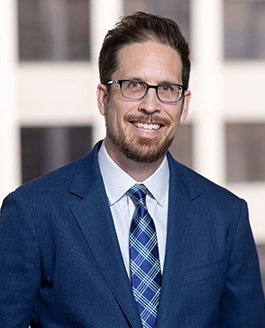
Steve McGuire, Ph.D.
Paul & Karen Levy Fellow in Campus Freedom
Dr. McGuire is a scholar of political philosophy and higher education policy whose work focuses on free speech, academic freedom, and intellectual diversity on college campuses. Before joining ACTA, he served as director of the Matthew J. Ryan Center for the Study of Free Institutions and the Public Good and as an associate teaching professor at Villanova University. He writes and speaks frequently on campus culture, university governance, and the role of higher education in sustaining a free society. His writing and commentary have appeared in outlets including the Wall Street Journal, the New York Post, Newsweek, and FOX News. Follow Steve on

Emily Koons Jae
Vice President of Development & Philanthropy
Emily Koons Jae is a higher education philanthropy strategist who works with philanthropists seeking to support civic education, academic renewal, and long-term cultural change on college campuses. Her areas of expertise include higher education philanthropy, donor strategy, trends in charitable giving to universities, and the growing role of philanthropy in shaping the future of American higher education.
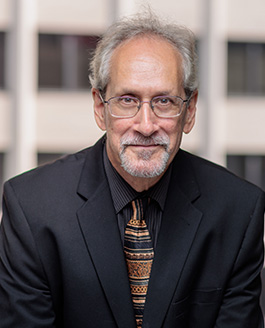
Doug Sprei
Vice President of Campus Partnerships
Doug Sprei is a leader in campus dialogue and engagement. His work focuses on fostering constructive discourse, viewpoint diversity, and student engagement on college campuses. He has organized and led hundreds of campus programs and public forums at colleges and universities nationwide, engaging students on pressing political, cultural, and social issues. His areas of expertise include free expression on campus, civil discourse, viewpoint diversity, and strategies for building a culture of open inquiry in higher education.

Veronica Bryant, Ph.D.
Academic Affairs Fellow
Dr. Bryant is a higher education researcher and academic affairs specialist whose work focuses on core curriculum reform, liberal arts education, and academic standards. Her research and writing examine general education requirements, civic learning, and the role of foundational texts in undergraduate education, with particular attention to curricular coherence and academic rigor. Her areas of expertise include core curriculum assessment, civic education, curricular reform, classical and liberal arts education, and the academic standards shaping undergraduate education in the United States.
Key ACTA Initiatives
What Will They Learn?
Launched in 1995, What Will They Learn?® is ACTA’s college ratings project evaluating the strength of general education requirements at more than 1,100 U.S. colleges and universities. It assesses whether students are required to study core subjects such as history, literature, economics, math, and science, with results updated on a continuous cycle.
Visit WhatWillTheyLearn.com to see the latest grades.

Campus Freedom Initiative™
ACTA’s Campus Freedom Initiative promotes free expression and intellectual diversity on college campuses through research, campus report cards, and the Gold Standard for Freedom of Expression, encouraging institutions to strengthen protections for academic freedom and viewpoint diversity.
Download the Campus Freedom Toolkit HERE.
Civic Education
Led by ACTA’s National Commission on American History and Civic Education, we released a report explaining why American higher education must restore the requirement for all college graduates to know the American story, and what such a course might include. Read A Broadside for the Nation: Preparing College Students for Informed Citizenship here. ACTA also works with higher education leaders to promote the creation of independent institutes devoted to civic education.

College Debates and Discourse Alliance
Through parliamentary-style debates, classroom workshops, and freshman orientation programs led by ACTA, students learn to discuss typically divisive topics in a spirit of civility and gain a greater appreciation for their ideological opponents. Our Curricular Toolkit is available for faculty who want to work with us to implement an engaging classroom debate or dialogue assignment for students. Our eCourse module for debate chair training is available free of charge to faculty and student leaders.
Institute for Effective Governance®
Through ACTA’s Institute for Effective Governance® (IEG), we conduct board retreats and seminars that equip college and university trustees to address the unique challenges of higher education governance. Drawing on decades of experience and a national network of institutional leaders, we help boards strengthen oversight, leadership, and institutional effectiveness. Read Implementing Governance for a New Era, our blueprint for higher education governance.
How Colleges Spend Money
How Colleges Spend Money is ACTA’s one-of-a-kind higher education financial transparency tool, designed to help trustees, policymakers, and the public analyze how colleges allocate resources. The platform allows institutions to benchmark themselves against peers and compare spending on instruction, administration, student services, and other key categories nationwide.
Visit the How Colleges Spend Money website.
Fund For Academic Renewal
The Fund for Academic Renewal supports alumni, donors, and their advisors in navigating complex giving decisions to ensure their contributions are used as intended. By helping to identify and structure opportunities beyond the most common approaches, the program fosters strategic philanthropy that reflects donors’ values and encourages meaningful change in higher education.
Download The Intelligent Donor’s Guide to College Giving.

WHO WE ARE
Launched in 1995, we are the only organization that works with alumni, donors, trustees, and education leaders across the United States to support liberal arts education, uphold high academic standards, safeguard the free exchange of ideas on campus, and ensure that the next generation receives an intellectually rich, high-quality college education at an affordable price.
Discover MoreSTAY INFORMED
Sign up to receive updates on the most pressing issues facing our college campuses.