Artists Need Civil Discourse Too
By Astrid Richardson
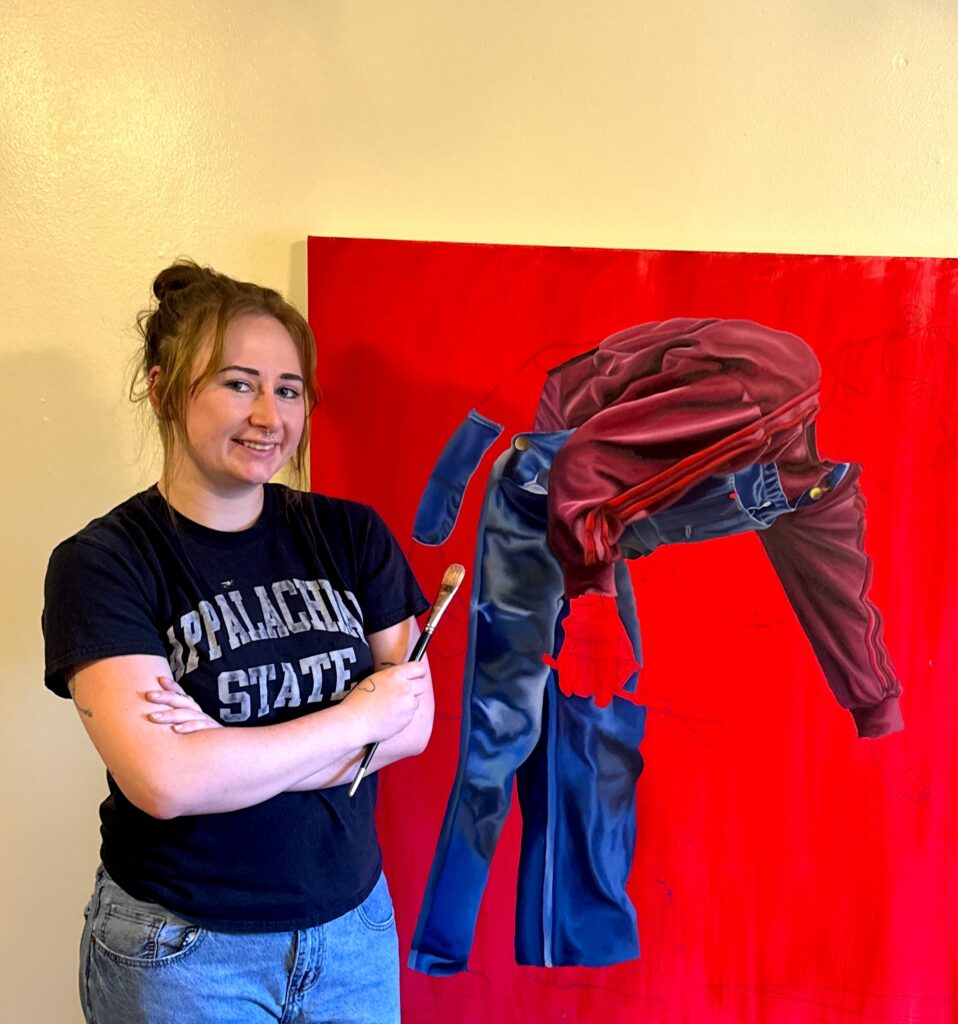
Are you friends with any artists? If so, you’re quite the lucky person. I am one of them, and we are quite the tight-knit group.
Because we tend to stick to our studios and the supportive community of fellow creatives, the art world can often become an echo chamber of agreement. While some degree of intriguing debate does go on in our circles, for the most part, we tend to agree on the larger societal issues at hand. Perspectives may differ depending on the genre or group of artists, but the character of conversation of these groups stays the same. Consequently, groupthink is an unfortunate byproduct of the bonds between creatives.
Artists need more spaces to practice civil debate and dialogue outside of the studio. We need to be invited into wider spaces of discourse and welcomed to participate in conversations. On the other side of the same coin, artists themselves should be pursuing these opportunities within our own community, to tease out engagement with those who have dissimilar views from our own.
We artists face a tiring stigma when we’re viewed by folks in the scholarly realm. Our long hours, practice, and hard work are frequently dumbed down. Despite our years of training, the creative skills we’ve cultivated over a lifetime are reduced to pretty pictures or sweet words and sounds. A growing culture of academic elitism is putting increasing pressure on the arts, and our standing in society and place within education is clearly in decline. That condition only causes us to cling to each other more, which in turn enforces our internal groupthink.
As creators and intellectuals who hunger for safe spaces for civil discourse, we should be seeking out these spaces as much as these spaces should be seeking us. For art practitioners as well as scholars, participating in conversations in public spaces — such as town halls, debate and dialogue events, conferences and more — can be transformative. Many more creatives in my community should actively search for opportunities to have social and political conversations with those harboring opinions very different from our own.
Together, artists and hosting institutions can reframe how civil discourse can be conducted, and expand participation in safe spaces for political, moral, and social debate.
In my work with the CD&D Alliance, I’ve come to believe that universities and social institutions would benefit enormously by inviting artists and creative thinkers into their spaces of civil conversation. Throughout history, artists have used their skills to convey their thoughts and feelings about divisive issues. Authors embedded commentary on racism and social injustices in their writings during the 1920s and 1940s; musicians in the 1960s responded to the Vietnam war; photographers documented the AIDS crisis in the 1980s; and so much more. History proves that we collectively crave spaces for discourse.
When planners of civil discourse events are assembling their guest lists, they should avoid any internal biases and remember that policy makers, political pundits, and law practitioners are only a fraction of the population interested in partaking in debate and dialogue. They should look to all fields and extend the invitation to broader practices including creatives.
Together, artists and hosting institutions can reframe how civil discourse can be conducted, and expand participation in safe spaces for political, moral, and social debate. Creating more room for creatives in civil discourse will yield a double benefit: rejuvenating the voice and influence of the arts in our society, and countering the echo chamber within the arts community itself, by enabling artists to engage with fellow citizens who carry viewpoints quite different from their own.
Based at Appalachian State University, Astrid Richardson is a Program Coordinator for the College Debates and Discourse Alliance.
WHO WE ARE
Launched in 1995, we are the only organization that works with alumni, donors, trustees, and education leaders across the United States to support liberal arts education, uphold high academic standards, safeguard the free exchange of ideas on campus, and ensure that the next generation receives an intellectually rich, high-quality college education at an affordable price.
Discover MoreSTAY INFORMED
Sign up to receive updates on the most pressing issues facing our college campuses.